
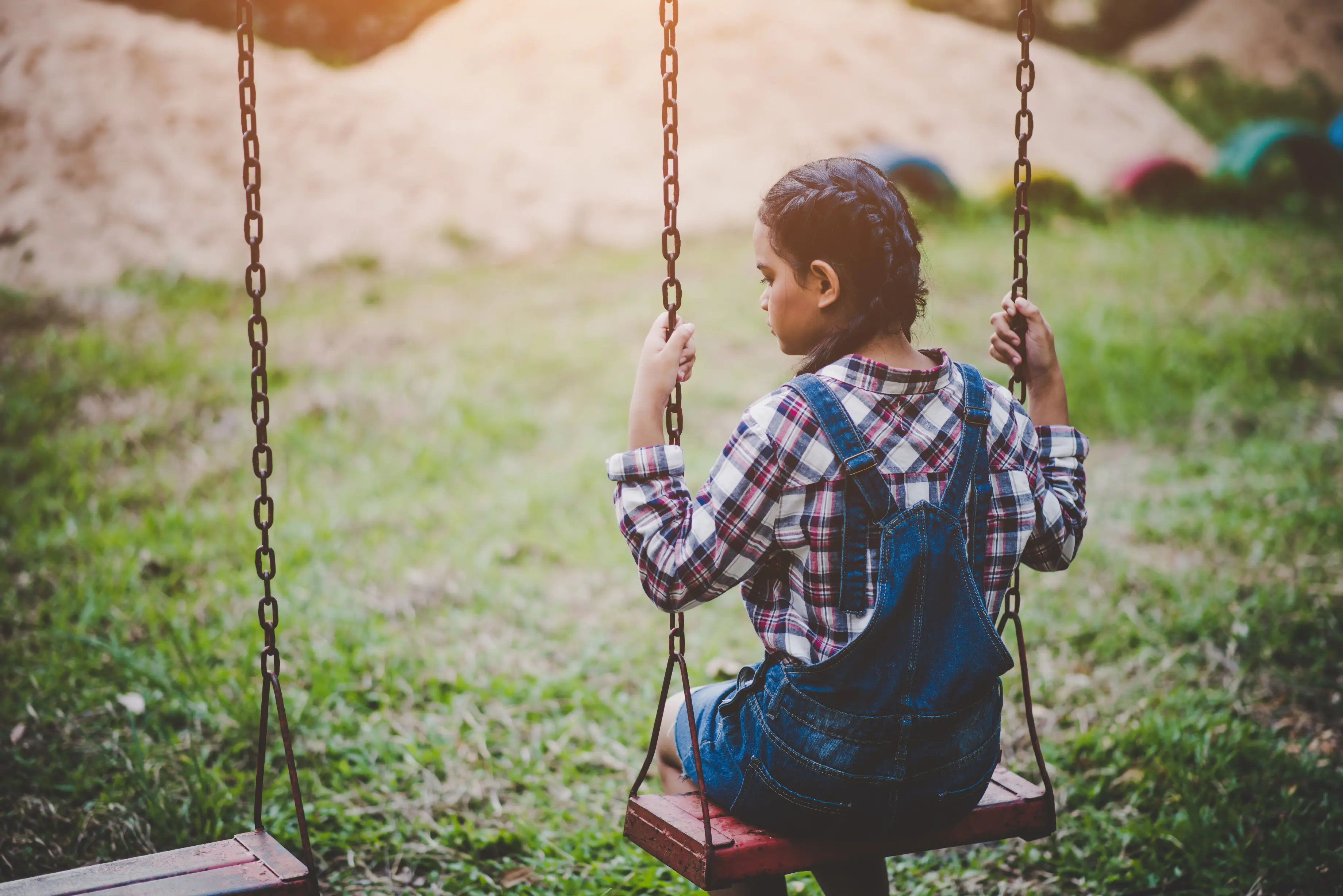
The end of the school year often arrives with relief. The pace slows and routines loosen as summer begins. For many children, that change is welcome. For children affected by domestic abuse, it can feel more complicated. School may have been one of the steady parts of the week: a familiar rhythm, a place where adults knew them well enough to notice when something had changed, and a few hours in the day where life felt more predictable. When school closes for summer, that safety net can loosen. A child may not say they are worried. They may not describe school as a place of safety. But they can still feel its absence when that support is no longer there.
The safety net of school: familiar routines and trusted adults
School plays a regular part in children’s lives. For a child living with uncertainty at home, that regularity can offer something steady. A familiar routine can make the day feel more manageable. A trusted adult may notice when a child seems tired, withdrawn or unusually alert. A teacher, teaching assistant or safeguarding lead may spot a small change that would be easy to miss on its own. Children do not always tell adults what is happening at home. Some do not have the language for what they are experiencing, and some have learned to keep fear, confusion or responsibility hidden because that feels safer. This is where the everyday work of noticing becomes so important.
The Department for Education’s safeguarding guidance for schools and colleges sets out the responsibilities schools hold in protecting children and responding to concerns. Schools cannot solve everything. No single adult sees the whole picture. But regular contact, careful observation and gentle curiosity can help a child feel less alone. Over the summer, there are fewer regular chances for that to happen.
When routine falls away: the long days some children have to navigate
The loss of routine can affect any child. For a child living with domestic abuse, it can remove something that helped the week feel more stable. The days may feel longer. There may be fewer reasons to leave the house and fewer chances to spend time somewhere calmer. A child may miss school without being able to say that they miss it. The holidays can also bring extra pressure into family life, including more time at home, childcare challenges, money worries and fewer regular sources of support. Those pressures do not cause domestic abuse, but they can make already unsafe or unpredictable situations harder for children to navigate.
A child may become more alert to the mood around them, quietly watching for signs that the day could change. The summer holidays are rarely one simple thing. A child can enjoy parts of the break and still carry fear, pressure or uncertainty. Those experiences can sit side by side. What makes the long break difficult is not just time away from school, but the loss of the small, steady things that helped hold the week together.
The long gap before September: small changes that can go unnoticed
Over summer, some children can become more isolated and harder to reach. During term time, small changes are easier to notice because adults see a child regularly. A child’s tiredness, quietness or change in behaviour may be seen by more than one person. Over time, those signs can begin to form a picture. When school stops, that picture can become harder to see. Distress does not always appear in obvious ways. It may show as tiredness, withdrawal, anxiety, reluctance to talk about home, or difficulty settling when school returns. None of these signs automatically point to domestic abuse, but small changes deserve careful attention.
The Domestic Abuse Commissioner’s report, Victims in their own right?, highlights the need for children and young people affected by domestic abuse to be recognised in their own right, with stronger opportunities for prevention, early identification, intervention and ongoing support. That recognition should not depend on the school calendar. A calm adult response, a careful question and the sense that someone has noticed can help a child feel less alone.
When words are hard to find: creative support at a child’s pace
Children who have experienced domestic abuse need time, trust and safe ways to process what has happened around them. At EdShift, we support children and young people through creative, trauma-informed therapeutic work. Creative approaches can help children express feelings and experiences that may be too difficult to talk about directly. Through art, play, movement and storytelling, children can begin to explore what they have experienced in ways that feel safe for them. This is about giving children space, steadiness and trusted relationships. Through programmes such as SpotLight, EdShift gives children and young people time, support and creative ways to begin making sense of their experiences.
The end of term should not mean children slip from view. As summer stretches on, some children will be missing the rhythm, trusted adults and support that school helped provide. The school gates may close for summer, but children affected by domestic abuse still need safe adults, steady support and people who notice when something is not okay.