
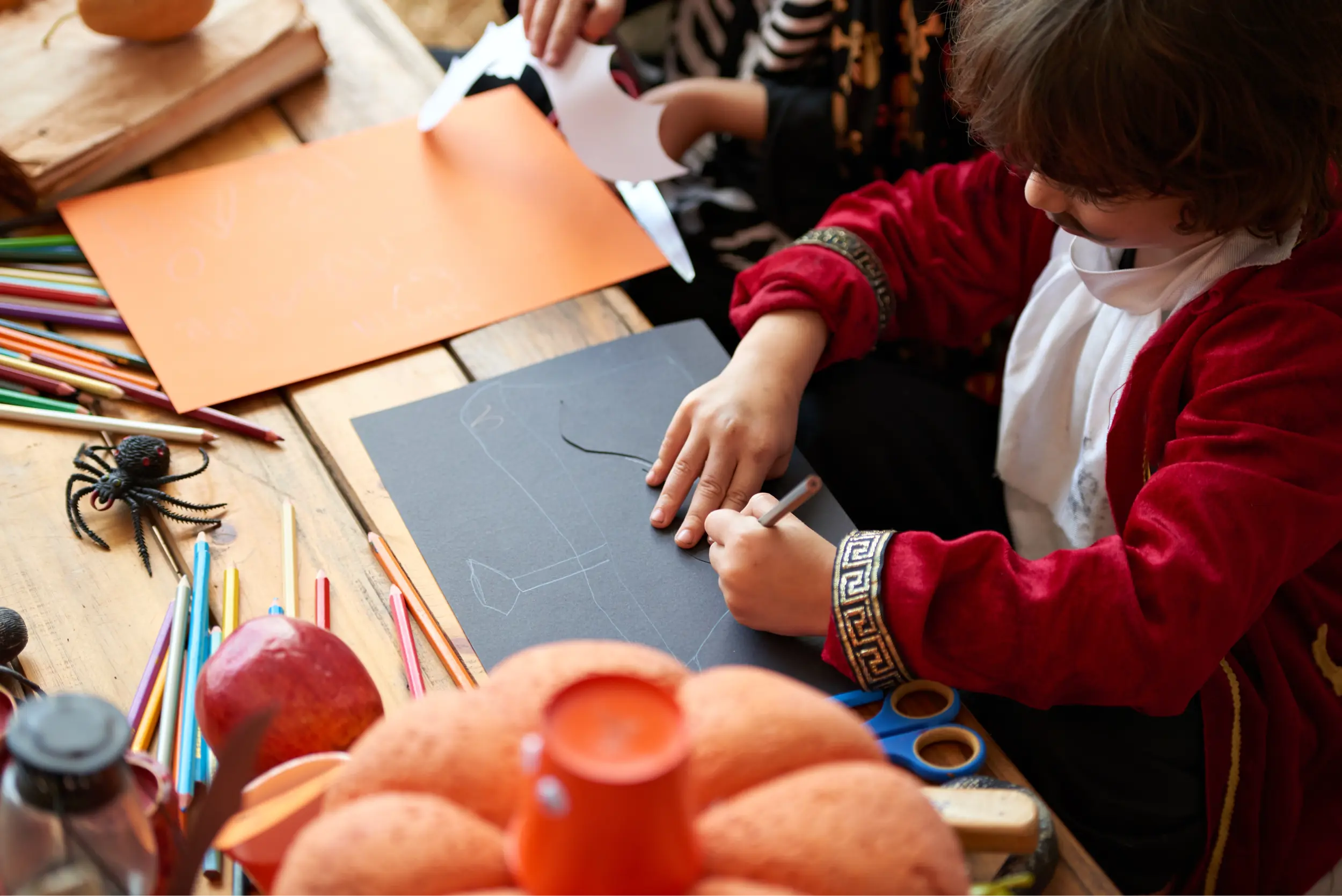
Recovery from domestic abuse rarely fits neatly into a support session. Children may need specialist help to process what they have experienced and rebuild trust and a sense of safety. But recovery also happens alongside everyday life, when families may be worrying about food, heating, travel or just getting through another difficult week. That is why EdShift’s support reaches beyond our formal programmes. It can mean emergency food or help with travel, creative activities and familiar adults, or organising community events where children can spend time with others without everything being centred on what they have experienced. YouthBase also gives children and families a supportive place to return to, where they can build relationships and stay connected. Practical help, trusted relationships and a sense of community may look different from specialist support, but each can play a valuable part in helping children and families move forward.
“Recovery is supported by what happens between sessions too. Practical help, trusted relationships and places where children and families feel they belong.”
Practical help: easing pressures on families
It can be harder for families to focus on recovery when they are also struggling to afford the basics. For families affected by domestic abuse, food, heating, travel and other basic costs often add another layer of pressure. Women’s Aid’s 2024 Annual Audit found that 79.8% of domestic abuse services surveyed reported survivors not having enough money for essentials for themselves or their children, while 70.2% reported difficulties paying for fuel, energy or utility bills. That is one reason practical help is part of EdShift’s work. We recently received £10,000 through the Calderdale Crisis and Resilience Fund from Calderdale Council and West Yorkshire Combined Authority. The funding will help us provide emergency food bags, travel support, gas and electricity top-ups, food during YouthBase and In Touch sessions, and additional activities for children and families. A food bag or help with a journey cannot undo the effects of domestic abuse, but it can help a family reach a session or give someone one less urgent problem to solve that day. That breathing room can make it easier to stay connected to support.
Connection and creativity: somewhere relationships can grow
Practical help can ease immediate pressure, but children and families also need opportunities to feel included, spend time with others and enjoy experiences that are not centred on what they have been through. Creative and social activities can give children space to express themselves, build confidence and simply enjoy being with other people. This is part of the thinking behind EdShift’s In Touch Youth Club, where young people can spend time with peers, take part in activities and stay connected to trusted adults. Trust does not always develop during a formal session. It can grow through being welcomed by name, sharing a meal, joining an activity or seeing the same adults over time. Sometimes an activity is what first brings someone to EdShift. The relationships they build there can help them feel comfortable coming back and staying involved. YouthBase gives those relationships somewhere to grow. As EdShift’s creative and therapeutic home in Halifax, it gives children and families a familiar place to return to for In Touch, creative activities, community events or practical help. Having a permanent base also gives EdShift the flexibility to respond to what children and families need, whether that means practical help, creative activity or simply time spent with people they know and trust.
Community activities: creating reasons to come together
EdShift’s upcoming community activities include Halloween and Christmas events for children and families, as well as Through the Eyes of a Child, a public exhibition exploring children’s experiences and perspectives. The seasonal events create opportunities for families to spend time together and enjoy shared experiences without everything being centred on crisis or formal support. They offer a chance to have fun, spend time with others and feel part of a wider community. Through the Eyes of a Child has a different purpose. By bringing children’s perspectives into a public exhibition, it gives their experiences space to be seen and understood, while encouraging the wider community to engage with issues that can otherwise remain hidden. The events are different, but they share the same intention. They create opportunities for expression, connection and belonging beyond EdShift’s formal programmes, and give children and families more opportunities to stay involved with the community around them. These shared experiences are another way of helping children and families feel part of something that continues beyond formal support.
Support that continues: recovery beyond the session
Recovery does not happen in a single session, and support should not disappear when one ends. Practical help can ease pressure, trusted relationships can grow over time, and familiar places can give children and families somewhere they know and trust. For a child affected by domestic abuse, that can mean knowing they will be remembered, welcomed back and met by people who are still there for them. With the help of funders, partners, donors and our wider community, EdShift can keep that support around children and families for as long as it is needed. A programme may end, but the feeling of being known, valued and supported should not.

You must be logged in to post a comment.